Get Smart Home Automation
Smart Home Automation services help property owners simplify daily living by integrating systems like lighting, security, and climate control through skilled local contractors.
Smart home automation services offer property owners the opportunity to enhance convenience, security, and energy efficiency within their homes. Whether planning a new installation or upgrading existing systems, understanding the options available can help ensure the project aligns with specific needs and preferences. Exploring local contractors who specialize in smart home solutions allows property owners to compare different approaches and find solutions tailored to their unique environments.
Property owners in the area may consider automation to improve daily routines, increase home security, or optimize energy use. As they evaluate different service providers, it’s helpful to review local options and gather insights on available technologies and solutions. Continuing to explore these choices can lead to informed decisions that support a comfortable, connected living space.
- Smart Lighting Installation - when homeowners want to automate and control lighting for convenience or energy efficiency.
- Home Security System Setup - for those seeking to enhance safety with automated cameras, alarms, and access controls.
- Thermostat and Climate Control - when adjusting indoor temperatures remotely or creating automated schedules is desired.
- Integrated Audio and Video Systems - for residents looking to streamline entertainment and communication devices throughout the home.
- Smart Appliance Integration - when upgrading to connected appliances that can be managed remotely for added convenience.
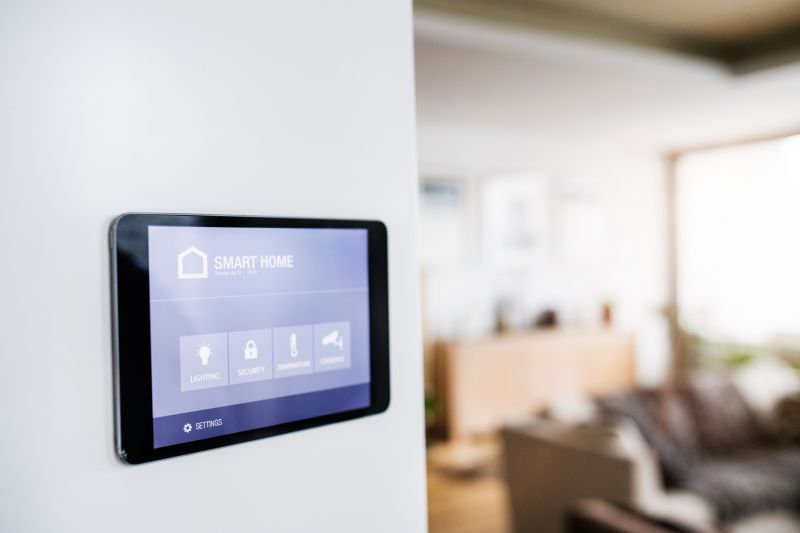
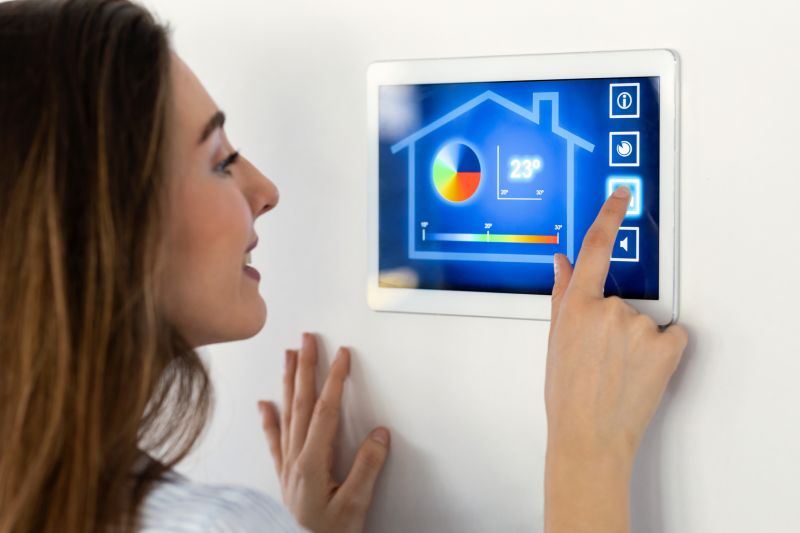

Smart home automation services involve installing systems that allow homeowners to control various household functions through centralized technology. These systems can include smart lighting, thermostats, security cameras, door locks, and even appliances, all connected via the internet. The goal is to create a seamless experience where residents can manage their home environment remotely or through automated settings. Local contractors specializing in smart home automation can assess a property’s layout and needs to recommend solutions that enhance convenience, comfort, and efficiency.
Many homeowners turn to smart home automation to solve common problems such as managing multiple devices manually, forgetting to turn off lights, or adjusting thermostats when away. These services help streamline daily routines, reduce energy waste, and increase security. For example, automated lighting can turn on or off based on occupancy, while smart locks can provide keyless access to trusted visitors. Security systems integrated with automation can send alerts and provide remote monitoring, giving homeowners peace of mind whether they are at home or away.
Smart home automation is suitable for a variety of property types, including single-family homes, multi-unit residences, and even some commercial spaces. New construction projects often incorporate automation features from the start, but existing homes also benefit from upgrades. These systems are especially popular in homes where residents seek increased convenience or want to enhance their security. Whether it’s a suburban house, a city apartment, or a vacation property, local service providers can tailor solutions to fit different property sizes and layouts.
Homeowners who are interested in making their daily routines more manageable or want to improve their home’s security and energy efficiency may find smart home automation services to be a valuable addition. When considering these upgrades, it’s helpful to work with experienced local contractors who understand the specific requirements of different property types. They can recommend suitable products and integrations, ensuring that the automation system fits the unique needs of each home, providing both practicality and peace of mind.
The overview below groups typical Smart Home Automation projects into broad ranges so you can see how smaller, mid-sized, and larger jobs often compare in your area.
In many markets, a large share of routine jobs stays in the lower and middle ranges, while only a smaller percentage of projects moves into the highest bands when the work is more complex or site conditions are harder than average.
Smaller Repairs - Typical costs for routine smart home device repairs or minor upgrades generally range from $150 to $500. Many local contractors handle these smaller jobs regularly within this range, making them common projects.
Device Installation - Installing new smart home devices such as thermostats, cameras, or lighting systems usually costs between $250 and $600 for many standard setups. Larger or more complex installations can reach $1,000 or more, though these are less frequent.
System Integration - Integrating multiple smart devices into a cohesive system often falls between $1,000 and $3,000, depending on the size of the property and the complexity of the setup. Many projects stay within this middle range, with fewer pushing into higher tiers.
Full Home Automation - Complete automation system installations for larger homes can range from $5,000 to $15,000 or more. These extensive projects are less common but represent the upper end of typical costs for comprehensive automation solutions.
Actual totals will depend on details like access to the work area, the scope of the project, and the materials selected, so use these as general starting points rather than exact figures.
Lighting Control Systems - local contractors who install and program smart lighting setups often have skills relevant to automating other home systems for convenience and energy efficiency.
Home Security Automation - service providers specializing in smart security devices and surveillance systems share planning and integration skills applicable to broader smart home solutions.
Audio and Video Integration - local pros experienced in installing multi-room audio and home theater systems work with networked devices and control interfaces similar to smart home automation setups.
Climate Control Systems - contractors who install smart thermostats and HVAC automation systems utilize planning and technical skills akin to those used in comprehensive home automation projects.
Motorized Window Treatments - specialists handling automated blinds and shades employ control and integration techniques comparable to other smart home automation services.
Voice Control System Installation - service providers who set up voice-activated assistants and smart speakers share expertise in device integration and user interface design relevant to home automation.

When comparing service providers for Smart Home Automation, it’s important to consider their experience with similar projects. Homeowners should look for local contractors who have a proven track record in designing and installing automation systems comparable to the desired setup. A contractor’s familiarity with various smart devices, integration techniques, and system complexities can influence the quality and reliability of the final installation. Asking about past projects or requesting examples of completed work can help gauge whether a particular provider has the relevant expertise to handle the specific needs of the home.
Clear, written expectations are essential to ensure everyone is aligned on the scope and details of the project. Homeowners should seek service providers who can provide detailed proposals or outlines that specify the work involved, the technologies to be used, and any responsibilities on both sides. Having these expectations documented helps prevent misunderstandings and provides a reference point throughout the project. It also demonstrates the contractor’s professionalism and commitment to transparency, making it easier to compare different local options objectively.
Reputation and communication are key factors when choosing a Smart Home Automation service provider. Reputable local contractors often have established relationships within the community and can be contacted for references or testimonials. Good communication-through timely responses, clear explanations, and openness to questions-can significantly impact the overall experience. Homeowners should prioritize providers who are approachable and willing to discuss project details thoroughly, ensuring that expectations are understood and that any concerns can be addressed promptly. This approach helps foster a smooth, collaborative process from start to finish.
Property owners use Smart Home Automation services for practical projects around their homes and businesses. This guide focuses on everyday jobs and straightforward project options.
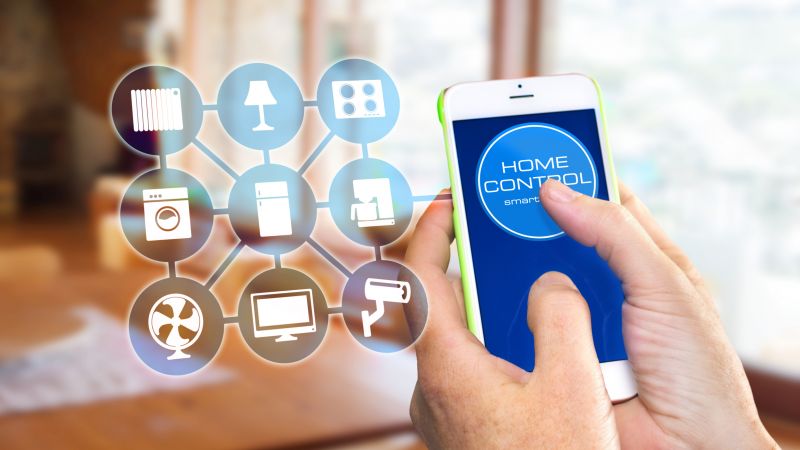
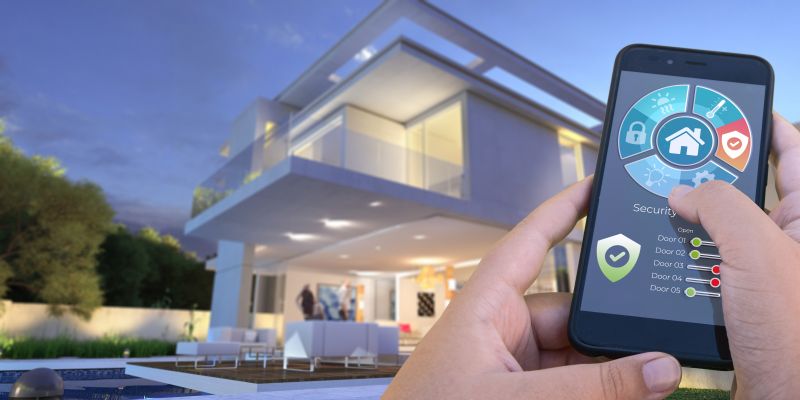
Many property owners in the area are interested in smart home automation to enhance convenience and streamline daily routines. Whether it's integrating lighting, thermostats, or security systems, local contractors can help install systems that make managing a home simpler and more intuitive. These services are often sought after by those looking to upgrade their living spaces to be more responsive to their needs, especially for busy households or those wanting to improve home security.
Additionally, homeowners may pursue smart home automation to increase energy efficiency or to add modern technology features to their property. Local service providers can assist with customizing solutions that fit specific preferences and existing setups. This can be particularly appealing for property owners who want to stay current with technological advancements or improve the overall functionality of their homes.
What types of smart home automation services are available? Local service providers offer a range of automation solutions, including smart lighting, security systems, climate control, and integrated home entertainment setups.
How can smart home automation improve my daily life? Automation can enhance convenience, improve energy efficiency, and increase security by allowing remote control and scheduling of various home systems.
Are there different levels of smart home automation services? Yes, service providers can install basic systems for simple control or more advanced setups that integrate multiple devices and systems for comprehensive automation.
What should I consider when choosing a smart home automation provider? Consider the provider’s experience, the range of services offered, and their ability to customize solutions to fit specific home needs.
How do local contractors handle installation and setup? They typically assess the home’s existing infrastructure, recommend suitable devices, and professionally install and configure the automation system for optimal performance.
Smart Lighting Control - Automate lighting to turn on or off based on occupancy or time of day, enhancing convenience and energy efficiency in the home.
Thermostat Management - Use smart thermostats to adjust temperature settings remotely, ensuring comfort during different times of the day or when away.
Security and Surveillance - Integrate cameras and sensors to monitor property activity and receive alerts, helping to increase security and awareness.
Voice-Activated Devices - Enable voice commands to control various appliances and systems, making daily routines easier and more accessible.
If you are thinking about Smart Home Automation for a property, this guide is meant to help you understand the work, the typical project types, and how different options might fit your plans.
When you are ready, you can use the quote form on this page to share a few details about your project. From there, local pros can review the basics and respond with options that match what you have in mind.